How to distinguish genuine leather, imitation leather, PU leather, cowhide, and sheepskin, let’s learn together!
Touch: That is, touch the leather surface with your hands. If it feels smooth, soft, plump and elastic, it is real leather; the surface of general artificial and synthetic leather is astringent, rigid and poor in softness.
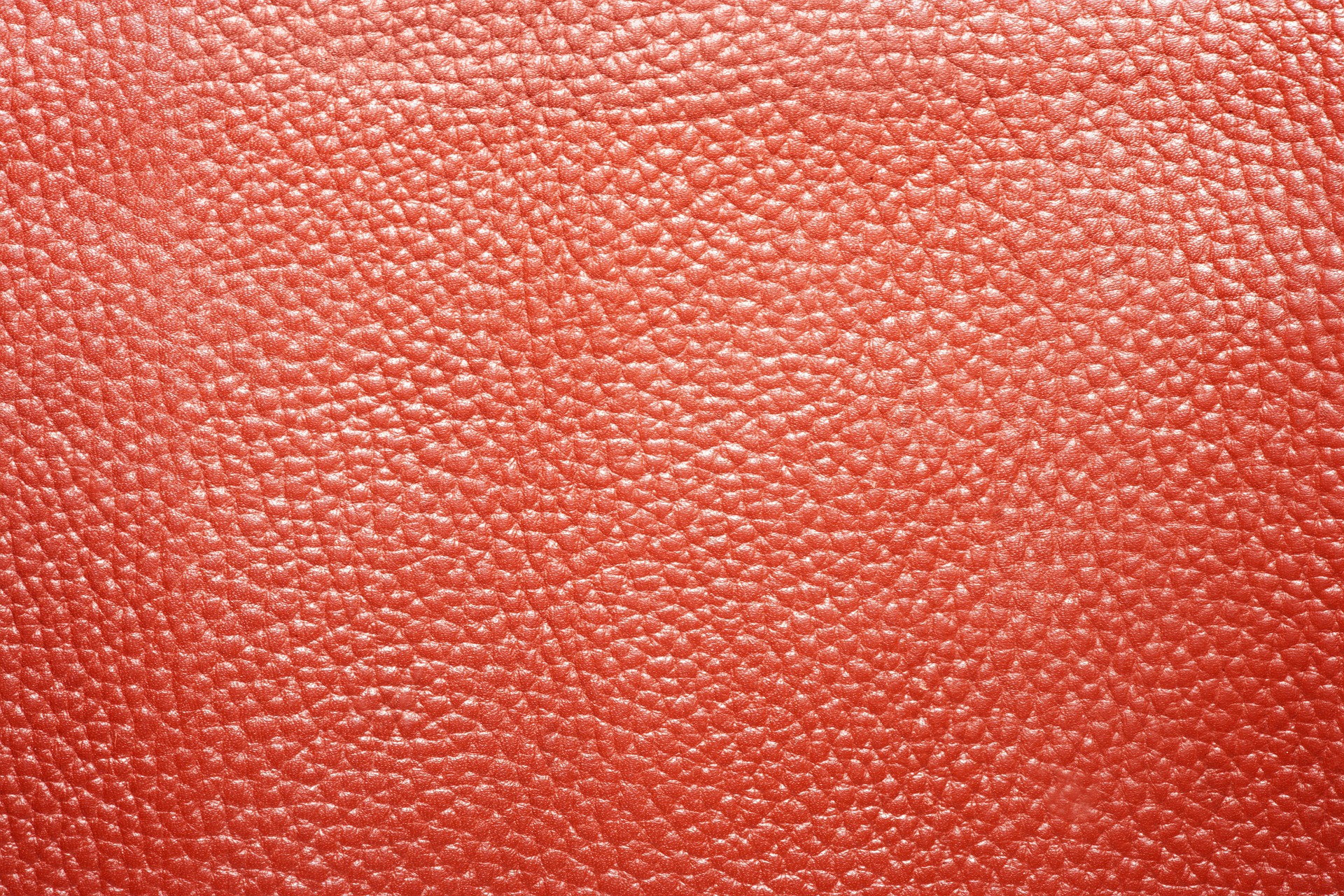
Look: there are clear pores and patterns on the surface of the leather, the yellow cowhide has relatively well-proportioned fine pores, the yak leather has thick and sparse pores, and the goat leather has fish-like hairs.
Smell: All genuine leather has a leather smell; while artificial leather has a strong irritating plastic smell.
Burning: Tear off a little fiber from the back of real leather and artificial leather, and after lighting it, those that emit a pungent smell and form knots are artificial leather; those that emit a hairy smell and do not form hard knots are genuine leather.
Buckle: Pick the skin with your nails, if it recovers quickly and there is no trace, it is genuine leather.
Genuine leather has to go through multiple refinements, so it is expensive, comfortable to wear, and will not smell after a long time; as for artificial leather, because there are more materials and fewer processes, it is usually machine-made and it is easy to rot. If you wear it on a hot day, it’s like dragging a piece of mud, and it smells bad.
So if you want to buy leather shoes, you must choose genuine leather.
Most people can’t tell what is genuine leather? What is imitation leather?
Let me share with you the simplest, most intuitive and practical method, and I hope it will be helpful to you.
Genuine leather is made by peeling off the epidermis of animals and then chemically treated, while fake leather (mainly PU, PVC) is made of chemical fiber cloth through chemical treatment. The difference between the two lies in the different raw materials, but because of the similar processing methods in the later stage, the surface effects are very close and difficult to distinguish. The most important thing to judge whether a belt, purse, wallet and other leather items are real leather is to observe from the side of the leather to see if the filling in the leather has fibers or yarn or velvet bottom. If the filling is fiber, it is genuine leather. If you see yarn or velvet bottom, it is imitation leather.
1. Leather
How to distinguish genuine leather, imitation leather, PU leather, cowhide, and sheepskin, let’s learn together!
Touch: That is, touch the leather surface with your hands. If it feels smooth, soft, plump and elastic, it is real leather; the surface of general artificial and synthetic leather is astringent, rigid and poor in softness.
Look: there are clear pores and patterns on the surface of the leather, the yellow cowhide has relatively well-proportioned fine pores, the yak leather has thick and sparse pores, and the goat leather has fish-like hairs.
Smell: All genuine leather has a leather smell; while artificial leather has a strong irritating plastic smell.
Burning: Tear off a little fiber from the back of real leather and artificial leather, and after lighting it, those that emit a pungent smell and form knots are artificial leather; those that emit a hairy smell and do not form hard knots are genuine leather.
Buckle: Pick the skin with your nails, if it recovers quickly and there is no trace, it is genuine leather.
Genuine leather has to go through multiple refinements, so it is expensive, comfortable to wear, and will not smell after a long time; as for artificial leather, because there are more materials and fewer processes, it is usually machine-made and it is easy to rot. If you wear it on a hot day, it’s like dragging a piece of mud, and it smells bad.
So if you want to buy leather shoes, you must choose genuine leather.
Most people can’t tell what is genuine leather? What is imitation leather?
Let me share with you the simplest, most intuitive and practical method, and I hope it will be helpful to you.
Genuine leather is made by peeling off the epidermis of animals and then chemically treated, while fake leather (mainly PU, PVC) is made of chemical fiber cloth through chemical treatment. The difference between the two lies in the different raw materials, but because of the similar processing methods in the later stage, the surface effects are very close and difficult to distinguish. The most important thing to judge whether a belt, purse, wallet and other leather items are real leather is to observe from the side of the leather to see if the filling in the leather has fibers or yarn or velvet bottom. If the filling is fiber, it is genuine leather. If you see yarn or velvet bottom, it is imitation leather.
Leather
It generally refers to the skin of various animals, and its common point is that it is a porous material, which has air permeability, but is easy to be affected by moisture. The leather materials currently used mainly include cowhide, pigskin, sheepskin, crocodile skin, ostrich skin, and horse skin.
Pigskin
Because the pig hair passes through the cortex to the inner layer, the air permeability and moisture absorption of pigskin are better than that of cowhide. However, the pores are thick, forming a “pin” shape, and the skin texture is rough, which is not as beautiful as cowhide. It needs to be processed to get rid of the shortcomings.
1. Pigskin
Because the pig hair passes through the cortex to the inner layer, the air permeability and moisture absorption of pigskin are better than that of cowhide. However, the pores are thick, forming a “pin” shape, and the skin texture is rough, which is not as beautiful as cowhide. It needs to be processed to get rid of the shortcomings.
2. Leather
The skin of yellow cowhide is thinner, and the hair is not dense, and the hair root is not deep. The skin direction, fat glands, and sweat glands are underdeveloped, and it is generally used as the surface of shoes and purses. Features: It has the thickness of pigskin and is elastic enough.
The fur of buffalo skin is sparse, the sticky surface is rough, and there are obvious papillary protrusions and wrinkles. The texture of the leather plate is relatively thin, large and thick. It is often used to make shoes and mechanical tires, and it can be made into bags after being processed and softened.
3. Sheepskin
The fiber structure of goatskin is firm, soft and elastic. Similar to yellow cowhide, but thinner, with clear and delicate concave and convex patterns on the leather surface, and a strong sense of genuine leather.
Sheepskin is similar to goatskin, but has more fat glands and sweat glands in the hair bundles, and the finished product is particularly soft and extensible, and feels like velvet. However, its strength is low and it is easy to rot. It can only be used for leather garments and gloves, but not for shoe uppers and handbags.
4. Horsehide
At first glance, it is similar to cowhide, but the luster is not as good as cowhide, the color is darker, the pores are oval, and the leather is loose and soft. Horsehide is closer to sheepskin leather. Compared with sheepskin, horsehide leather is harder than sheepskin, with poor hand feeling, uneven luster, and no wrinkling, but it is easier to break.
I have to say, dream86bet has a certain charm. It’s not the fanciest site, but it’s reliable and the odds are pretty good. I’ve made some decent bets here and never had any issues. Give it a shot if you’re looking for a straightforward experience. Look here: dream86bet

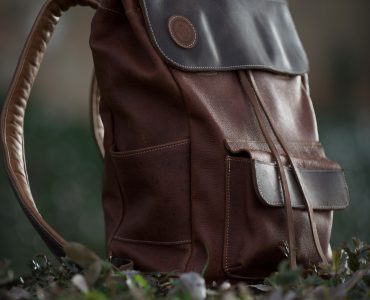 leather backpack
1 × $25.45
leather backpack
1 × $25.45  16 inch leather business briefcase
1 × $230.11
16 inch leather business briefcase
1 × $230.11 

dream86bet
I have to say, dream86bet has a certain charm. It’s not the fanciest site, but it’s reliable and the odds are pretty good. I’ve made some decent bets here and never had any issues. Give it a shot if you’re looking for a straightforward experience. Look here: dream86bet